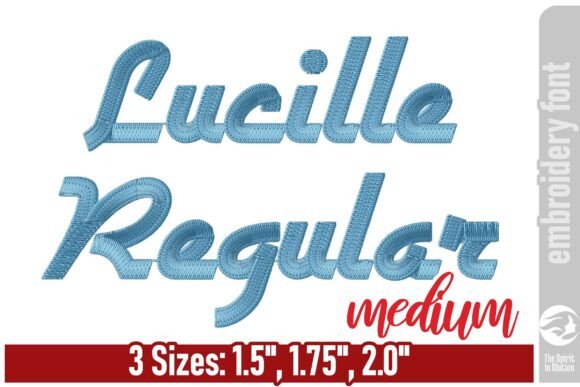
Lucille Regular Embroidery Font – Medium: A Seasonal Designer’s Review
First Impressions: Bold, Nostalgic, and Full of Personality
When I first opened the Lucille Regular Embroidery Font – Medium file, I was immediately struck by its bold, vintage charm. This isn’t just another script font — it’s a design that feels like a fast ride down a 1950s American highway, complete with chrome accents and classic curves. The Art Deco influence is unmistakable, giving it a timeless elegance that’s both festive and nostalgic. It carries a strong emotional tone, perfect for holiday items that aim to feel warm, personal, and just a little bit retro.
From a seasonal product perspective, Lucille Regular reads as both premium and playful. It’s not overly delicate, which makes it ideal for items that need to stand out — think embroidered sweatshirts, personalized aprons, or even embroidered patches for holiday gift bundles. The medium density strikes a balance between detail and durability, which is crucial for seasonal embroidery files that will be stitched on a variety of fabrics and hoop sizes.
Real-World Use: Perfect for Holiday & Seasonal Embroidery
As an embroidery designer building a holiday collection, I’m always looking for fonts that are versatile enough to work across multiple product types. Lucille Regular delivers in spades. Here’s how I see it performing in real holiday selling situations:
- Gift Bundles: Its bold lettering makes it ideal for coordinating gift sets — think matching kitchen towels and aprons with a family name or holiday message.
- Etsy Listings: The font’s unique style helps listings stand out. It adds a handmade touch with a vintage flair that Etsy shoppers love.
- Craft Fair Displays: Eye-catching and easy to read from a distance, Lucille Regular helps draw attention to your booth’s embroidered items.
- Personalized Gifts: Whether it’s a name on a baby onesie or a custom message on a pillow cover, this font elevates the perceived value of any personalized gift.
- Apparel Embroidery: Works beautifully on sweatshirts, especially for family matching sets or limited edition holiday wear.
- Social Media Previews: The design’s strong visual appeal translates well in product mockups, helping to drive engagement and shares.
Where to Use with Care: Design Considerations for Seasonal Embroidery
While Lucille Regular is a strong performer overall, there are a few situations where I’d advise caution:
- Small Hoop Sizes: Due to its detailed curves and strokes, this font may not stitch well at very small sizes. Always test in your smallest hoop before production.
- Dark Fabric: The bold lines look great on light backgrounds, but may require underlay adjustments or thread color testing on darker materials.
- Metallic Thread: While metallic thread adds holiday sparkle, it can flatten details. Make sure to test stitch density and thread tension before finalizing designs.
- Stretchy Garments: Like any detailed embroidery, stretchy fabrics can distort the lettering. Use proper stabilizer and consider placement carefully.
- Repeated Washing: If you're selling embroidered baby items or kitchen linens, be sure to check long-term durability and thread hold after multiple washes.
Boosting Seasonal Appeal & Buyer Emotion
One of the most important aspects of seasonal embroidery is how it makes the buyer feel. Lucille Regular has a strong emotional pull — it feels personal, nostalgic, and premium. That’s a powerful combination during the holiday season when shoppers are looking for unique, meaningful handmade gifts.
From a product value standpoint, using a design like Lucille Regular can increase the perceived worth of your finished items. It helps build customer trust because it looks professionally crafted, even when stitched at home. It also supports brand consistency — especially for small shop owners who want to create a recognizable style across multiple seasonal product drops.
When used in social media previews and printable mockups, this font adds visual recognition that helps your brand stand out in a crowded market. It's not just a font — it's a design asset that enhances your overall holiday product strategy.
Designer Notes: Practical Tips for Using Lucille Regular
Before adding Lucille Regular to your seasonal product line, here are a few practical steps I always take:
- Test thread colors on both light and dark fabric: The contrast can dramatically affect the legibility and mood of the design.
- Check stitch density: Especially when using metallic or specialty threads, make sure the design holds its shape without puckering.
- Confirm hoop size compatibility: If you’re using smaller machines, test the font at different sizes to ensure it stitches cleanly.
- Use the right stabilizer: For thick towels or stretchy fabrics, choose a stabilizer that supports the design without leaving marks.
- Create realistic mockups: Use digital embroidery files to generate product previews that accurately reflect the final look.
- Review small details after stitching: Some curves or lines may need minor tweaks depending on fabric and thread choice.
- Plan matching color palettes: Consider coordinating seasonal color kits for Etsy sellers or holiday embroidery kits.
- Confirm commercial licensing: Always verify that the Lucille Regular Embroidery Font – Medium is licensed for commercial use before selling finished products.
Final Thoughts: A Strong Addition to Any Seasonal Embroidery Collection
Overall, Lucille Regular Embroidery Font – Medium earns a solid spot in my seasonal embroidery toolkit. It brings a unique blend of vintage flair and modern usability that’s hard to find in today’s digital embroidery files. Whether you're creating holiday embroidery for Etsy, craft fairs, or custom orders, this font adds both visual appeal and emotional resonance.
If you're a small shop owner or seasonal product creator, investing in a high-quality, emotionally engaging font like Lucille Regular can elevate your offerings and help your brand stand out in the crowded holiday market. Just remember to test thoroughly, plan your color schemes, and always check licensing before production.