Shell Yeah Embroidery: A Subtle Splash of Coastal Charm
First Impressions: Soft, Playful, and Surprisingly Versatile
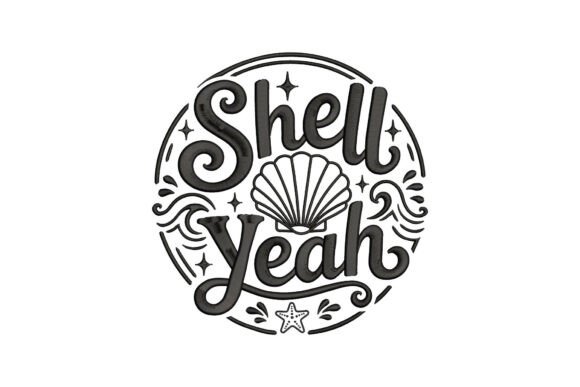
As a designer who reviews a lot of embroidery files for real-world use, I was immediately drawn to the Shell Yeah Embroidery design. It gives off a relaxed, coastal vibe without being overly literal or kitschy. The layout feels organic, with a slightly asymmetrical composition that mimics how seashells might naturally rest on a beach. It’s not too busy, but still has enough detail to catch the eye. The design has a gentle elegance—perfect for someone looking to add a touch of seaside whimsy without going full nautical.
From a design standpoint, this feels like a piece that could work across a range of projects. It’s not screaming “vacation souvenir,” which makes it more marketable for everyday wear or home goods. The visual personality is understated, but still distinct enough to make a statement.
Real-Life Use: From Tote Bags to Baby Onesies
I recently tested Shell Yeah Embroidery on a custom tote bag I was making for a local boutique. I used a medium-weight cotton canvas and a basic tear-away stabilizer. The result was clean, with crisp satin stitches outlining the shell and smooth fill stitches in the background. The design held up well even after a few gentle washes—no puckering or distortion, which is always a concern with embroidered totes.
Next, I stitched it onto a baby onesie for a personalized gift. I used a lightweight knit and a cut-away stabilizer. The design scaled down nicely, though I did have to double-check the stitch density to avoid stiffness in the fabric. The final look was soft and sweet—perfect for a beach-themed baby shower gift. Parents loved it, and it didn’t overwhelm the garment.
I also tried it on a linen pillow cover, and it added a subtle but noticeable touch of charm. It’s the kind of detail that elevates a handmade item from “just a pillow” to something with personality. I could easily see this in a boutique setting or as part of a curated Etsy collection.
Where to Use with Care
While Shell Yeah Embroidery is quite adaptable, it does have a few limitations. It’s not ideal for very small hoop sizes. If you’re working with a limited space, especially on curved surfaces like caps, the design might lose clarity. The shell’s curves and finer satin stitch lines can get compressed and look a bit off if scaled too small.
On textured or stretchy fabrics like fleece or jersey knit, I recommend testing the design first. I noticed slight distortion on a sweatshirt I stitched it onto, but only because I didn’t use enough stabilizer. With the right prep, it works fine—but don’t skip that step.
Dark fabrics also require attention. The original thread colors are light, so if you’re stitching on navy or black fabric, you’ll need to adjust the color palette. I tried a black-and-white mockup, and it looked sharp, but only after tweaking the contrast and possibly adding a small outline for better definition.
Visual Impact and Customer Appeal
One of the biggest strengths of Shell Yeah Embroidery is its visual clarity. The design doesn’t rely on overly complex elements, which makes it easier to stitch cleanly and consistently—important for small businesses or Etsy sellers who need reliable results. The simplicity also makes it more approachable for customers who might be hesitant about bold embroidery.
From a branding perspective, this design could work well for a boutique or handmade brand with a coastal or minimalist aesthetic. It adds a professional touch without overshadowing the product itself. In fact, I’d say it enhances the handmade presentation by giving it a clean, curated feel.
For gift items, especially personalized ones, this design scores high on giftability. It’s subtle enough to be appropriate for a wide range of ages and occasions—think baby gifts, bridal party robes, or custom towels for a beach house. It doesn’t feel too “theme park,” which is a big plus.
Practical Notes for Embroidery Designers
- Test on scrap fabric first, especially if you’re using a stretchy or textured material.
- Check thread color contrast when stitching on dark backgrounds—consider adjusting the palette or adding outlines.
- Review stitch density before stitching on baby clothes or wearables to ensure comfort and flexibility.
- Confirm hoop size compatibility, especially if you’re working with curved surfaces or limited space.
- Inspect small details like the shell’s ridges to make sure they stitch cleanly without distortion.
- Test in black and white mockups to see how the design reads without color.
- Compare light and dark fabric backgrounds to evaluate visual impact and readability.
- Use the proper stabilizer based on your fabric type—cut-away for stretchy materials, tear-away for stable weaves.
- Confirm licensing if you plan to use the design in commercial embroidery or digital product bundles.
Final Thoughts: A Solid Choice for Coastal-Inspired Projects
Overall, Shell Yeah Embroidery is a well-balanced design that offers both charm and flexibility. It’s not flashy, but it doesn’t need to be. It quietly elevates a product with just the right amount of personality. Whether you’re creating custom apparel, personalized gifts, or boutique items, this design is a solid addition to your embroidery file collection.
It’s especially well-suited for makers who want to infuse a little coastal flair into their work without leaning too hard into beach clichés. As a designer, I appreciate that it’s easy to stitch, looks good across multiple fabric types, and maintains its integrity when scaled. It’s a practical, versatile, and visually pleasing embroidery file that deserves a spot in your design toolkit.